Would you like to switch to the accessible version of this site?

Go to accessible site Close modal window

Don't need the accessible version of this site?

Hide the accessibility button Close modal window
Accessibility View Close toolbar
Animal Health Center of Port St. Lucie

1861 SW Gatlin Blvd

Port St Lucie, FL 34953 US

772-873-4745

Open mobile navigation
  • Home
  • New Patient Center
    • What to Expect
    • Veterinary Resources
    • Payment Options
  • About Us
    • Services
    • Meet Our Team
    • Boarding Services
    • Hospital Tour
      • Reception Area
      • Laboratory
      • Surgery and Dental
      • Kennel
      • Building
  • Canine Information
    • Basic Health
    • Heartworm & Intestinal Parasites
    • Osteoarthritis
    • Eye Care
    • Diseases & Vaccination
    • Canine Influenza
    • Crate Training
    • Housebreaking
    • Behavior
  • Feline Information
    • Feline Basic Care
    • Diseases & Vaccination
    • Eye Care
    • Administering Medication
    • Senior Cats
    • Feline Dental Care
  • Pet Information
    • Surgical
    • Anesthesia
    • Medical Services
    • Toxic Plants and Foods
    • Senior Healthcare Checklist
    • Household dangers
    • Traveling with your Pet
  • Pet Loss
    • The Grieving Process
    • Goodbye Friend
    • Grief Management in Children
    • Pet Loss Resources
    • Pet Loss Myths
    • Helping Friends
  • Contact Us
  • Blog
  • Veterinary Topics
    • Pet Health
      • Chronic Conditions
      • Digestive and Oral Health
      • Diseases and Viruses
      • Pests and Parasites
      • Orthopedics
    • Today's Veterinarian
    • Choosing Your Pet
      • Finding Your Pet
      • Cats
      • Dogs
      • Exotics
        • Amphibians
        • Birds
        • Reptiles
          • Lizards
          • Turtles
      • Small Mammals
        • Ferrets
        • Rabbits
        • Domesticated Animals
          • Prairie Dogs
        • Pocket Pets
          • Chinchillas
          • Guinea Pigs
          • Hamsters
          • Hedgehogs
          • Rats
      • Livestock
        • Cows
        • Donkeys, Horses & Mules
        • Goats
        • Pigs
        • Poultry
        • Sheep
    • Living With Your Pet
      • Bringing Your Pet Home
      • Children and Pets
      • Providing Care
      • Travel
      • Saying Goodbye
    • Newsletter Library
      • Cats
      • Tips for Pet Owners
      • Behavior & Training
      • Fleas & Parasites
      • Keeping Pets Healthy
      • Recognizing Illness
      • Nutrition & Food
      • Pet Dangers
      • Seasonal Topics
      • Visiting the Vet
      • Equine
      • Newsletter Archive
        • Fun with Pets
        • Unbelievable Pets
    • Video Newsroom
      • Health Topics
      • Technology and Science
      • Other Interests
    • Newsletter Library
    • Client Survey
    • Pets4Kids
  • Home >
  • Articles >
  • Newsletter Library >
  • Nutrition & Food >
  • Pet Weight Critical to Wellness of Cats and Dogs

Pet Weight Critical to Wellness of Cats and Dogs

  • Created in Newsletter Library, Nutrition & Food
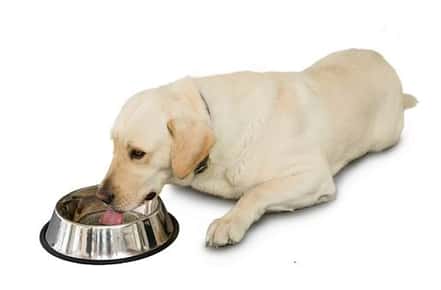
Image of a fat dog.

The Association of Pet Obesity Prevention advises that pets are suffering from epidemic obesity and it is preventable. Obese or overweight animals weigh in at nearly sixty-percent for cats and nearly fifty-percent for dogs. The number is constantly increasing and causing health conditions and physical distress for household animals.

"Helping your pet maintain a healthy weight is crucial to their quality and length of life," says veterinary nutritionist Edward Moser. "In fact, studies show that limiting your dog's caloric intake could extend his life."

Food Is Not Affection advises of the importance of pet owners distinguishing the difference between food and affection. "Owners tend to give their pets food and treats as a way of showing affection, but this habit can backfire if it isn't practiced with some restraint. Far better to give your dog a good snuggle than a leftover from the dinner table."

Stacia Willson's Consistency, Patience Crucial to Helping Pets Maintain Healthy Weight discusses her conversation with Cathy McCoy, Humane Society of San Antonio's public relations director. McCoy educates and urges the public that, "Giving leftover table scraps is another fault that can potentially hurt your pet. Keeping track of their weight weekly and developing the proper moderate exercise technique safe for your pet is essential." Those moderate exercise techniques McCoy suggests include daily walks with your pet, playing catch with size/breed specific toys, tossing and fetching toys appropriate size toys, and swimming. These are "great ways for animals to build stamina, strengthen their legs and lose weight," McCoy advises.

How to Help Your Pet Maintain a Healthy Weight educates pet owners about health conditions that become consequences of pet obesity and lack of weight management. "Pets that are overweight or obese are at risk for osteoarthritis, type 2 diabetes, respiratory disorders, high blood pressure, heart disease and some forms of cancer." Increasing numbers of "pets are developing these disorders as a direct result of obesity." Leary, the author, urges owners to help their pets maintain healthy weights and implement weight management techniques because "these conditions are usually preventable, but once they develop, can be chronic and incurable."

Obesity and lack of weight management in your pet's life can cause havoc with their immune systems and make them prone to disease, virus and illness. Other consequences of excess pet weight or obesity in dogs and cats include damage to the skeletal structure leading to arthritis. At least one-quarter of household dogs are estimated to suffer from joint conditions that are serious. Ramifications of overfeeding and underexercising your pet also include intestinal disturbances, excessive tummy gas and digestive disorders.

Pet Weight Loss by veterinarian Jan Becker discusses pet exercise for owners of cats and dogs. Dr. Becker suggests that walking, jogging or riding your bicycle with your dog can work well for both of you, and that tossing balls and Frisbees can keep your pet moving if it enjoys chasing a flying Frisbee or a favorite ball. Care must be given to treadmill exercising for your pets because it can be dangerous and cause injure to them during the learning process.

"Cats on the other hand can be a bit harder to exercise," says Dr. Becker. Get your cat moving with cold laser lights flashed onto objects to interest them - but not in their eyes. Wiggle stuffed animals, move them sneakily to get your cat's interest and increase the attraction of pouncing, sneaking, hiding or batting at the soft toy. Owners must be vigilant of string products or toys. The string can easily get caught or tangles with your cat's tongue inducing them to swallow it. Unfortunately, when this happens it can be "very serious or even fatal."

"Catnip will often get a cat running around," says Dr. Becker. Keep in mind that catnip must be used in moderation. For cats, the nip is a stimulant that can cause digestive upsets."

  • Pet Health
    • Chronic Conditions
    • Digestive and Oral Health
    • Diseases and Viruses
    • Pests and Parasites
    • Orthopedics
  • Today's Veterinarian
  • Choosing Your Pet
    • Finding Your Pet
    • Cats
    • Dogs
    • Exotics
      • Amphibians
      • Birds
      • Reptiles
        • Lizards
        • Turtles
    • Small Mammals
      • Ferrets
      • Rabbits
      • Domesticated Animals
        • Prairie Dogs
      • Pocket Pets
        • Chinchillas
        • Guinea Pigs
        • Hamsters
        • Hedgehogs
        • Rats
    • Livestock
      • Cows
      • Donkeys, Horses & Mules
      • Goats
      • Pigs
      • Poultry
      • Sheep
  • Living With Your Pet
    • Bringing Your Pet Home
    • Children and Pets
    • Providing Care
    • Travel
    • Saying Goodbye
  • Newsletter Library
    • Cats
    • Tips for Pet Owners
    • Behavior & Training
    • Fleas & Parasites
    • Keeping Pets Healthy
    • Recognizing Illness
    • Nutrition & Food
    • Pet Dangers
    • Seasonal Topics
    • Visiting the Vet
    • Equine
    • Newsletter Archive
      • Fun with Pets
      • Unbelievable Pets
  • Video Newsroom
    • Health Topics
    • Technology and Science
    • Other Interests
  • Newsletter Library
  • Client Survey
  • Pets4Kids

Featured Services

  • Online Store

    Shop Online Now!
  • Make An Appointment

    We will do our best to accommodate your busy schedule. Schedule an appointment today!
  • Services

    We strive to provide complete care for our patients. Learn more about all the services we provide.

Office Hours

Monday:

8:00 am-6:00 pm

Tuesday:

8:00 am-6:00 pm

Wednesday:

8:00 am-6:00 pm

Thursday:

8:00 am-6:00 pm

Friday:

8:00 am-6:00 pm

Saturday:

8:00 am-5:00 pm

Sunday:

Closed

Location

Find us on the map

Testimonial

  • "Patient testimonials coming soon..."

Featured Articles

Read about interesting topics

  • March Newsletter: How to Keep Your Cat Safe When Outdoors

    Wondering how your cat can safely spend time outdoors? ...

    Read More
  • March Newsletter: How to Choose Safe Blankets for Pets

    Do you know how to pick a safe blanket for your pet? ...

    Read More
  • February Newsletter: How to Reduce Dental Anxiety in Pets

    Does your pet hate toothbrushing? These tips could reduce dental anxiety. ...

    Read More
  • February Newsletter: How to Safely Change Your Cat’s Food

    Buying a new food for your cat? Find out how to switch foods safely. ...

    Read More
  • January Newsletter: Signs Your Pet Needs a Wellness Exam

    Does your pet need a wellness exam? ...

    Read More
  • January Newsletter: How Your Veterinarian Can Help If Your Pet Ingests Something Toxic

    Has your pet eaten something it shouldn't have? Find out how your vet can help. ...

    Read More
  • December Newsletter: Signs Your Pet Needs a Professional Cleaning

    Do you know when your pet needs a professional cleaning? ...

    Read More
  • December Newsletter: Simple Ways to Keep Your Home Flea-Free for Your Pet’s Well-being

    Never want to see another flea again? Try these tips for a flea-free home. ...

    Read More
  • November Newsletter: The Importance of Bloodwork for Your Pet’s Health

    Wondering if your pet really needs bloodwork? Find out the benefits of blood tests for your furry friend. ...

    Read More
  • November Newsletter: Turkey Day Tips for Pet Owners

    Don't forget about your pet when making Turkey Day preparations. ...

    Read More

Newsletter Sign Up

Connect With Us

  • Copyright © 2026 MH Sub I, LLC dba iMatrix.
  • Admin Log In
  • Site Map